ORBIS is a subsidiary of Menasha Corporation Learn More
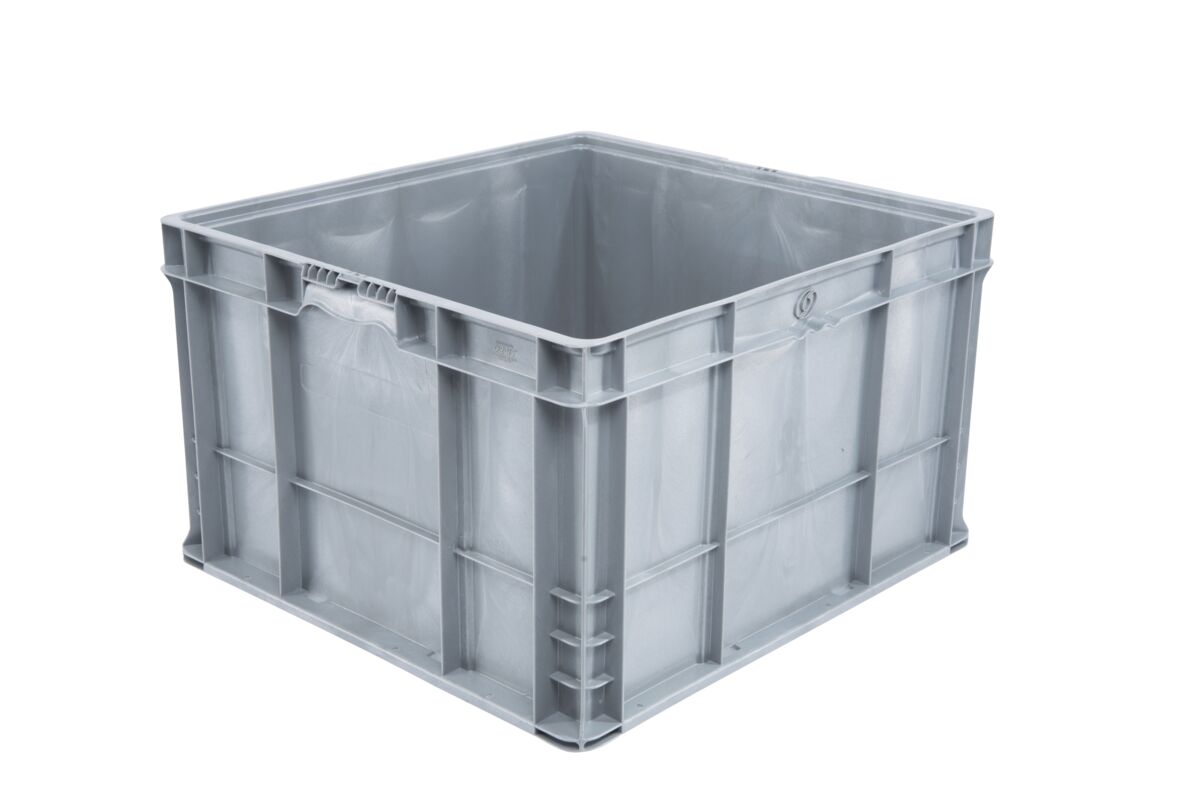
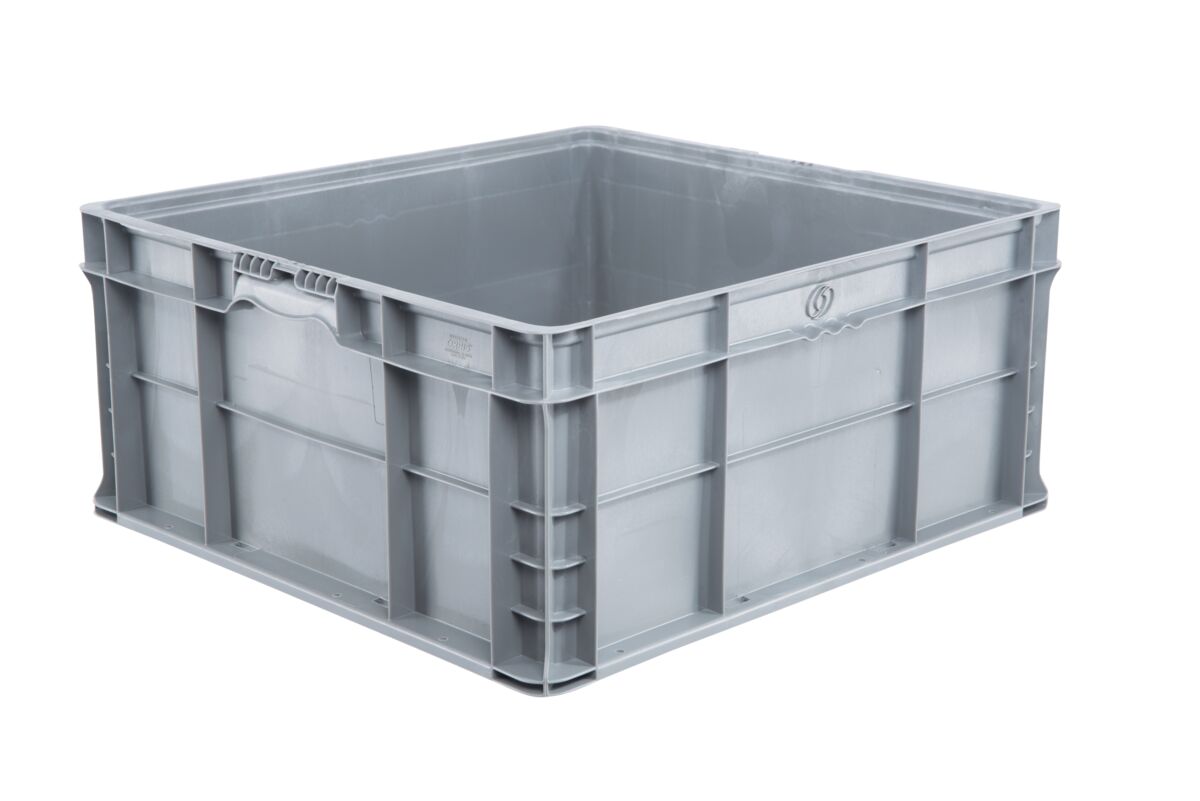
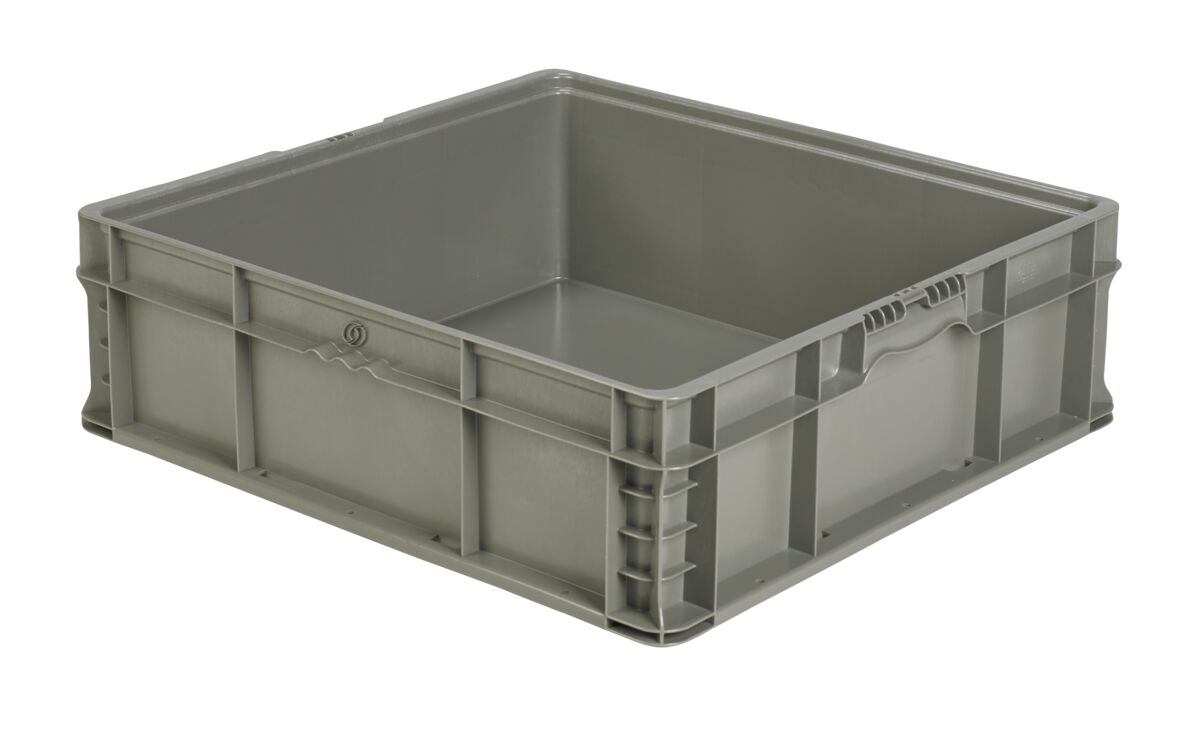
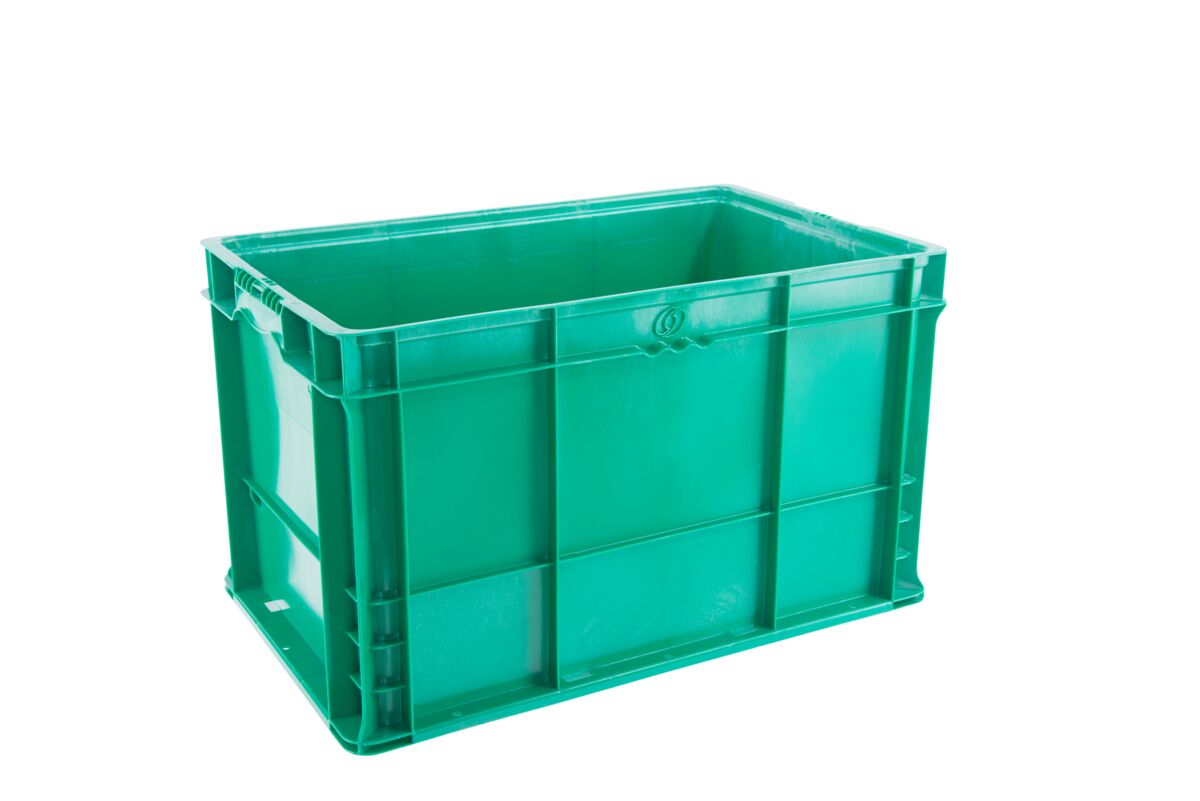
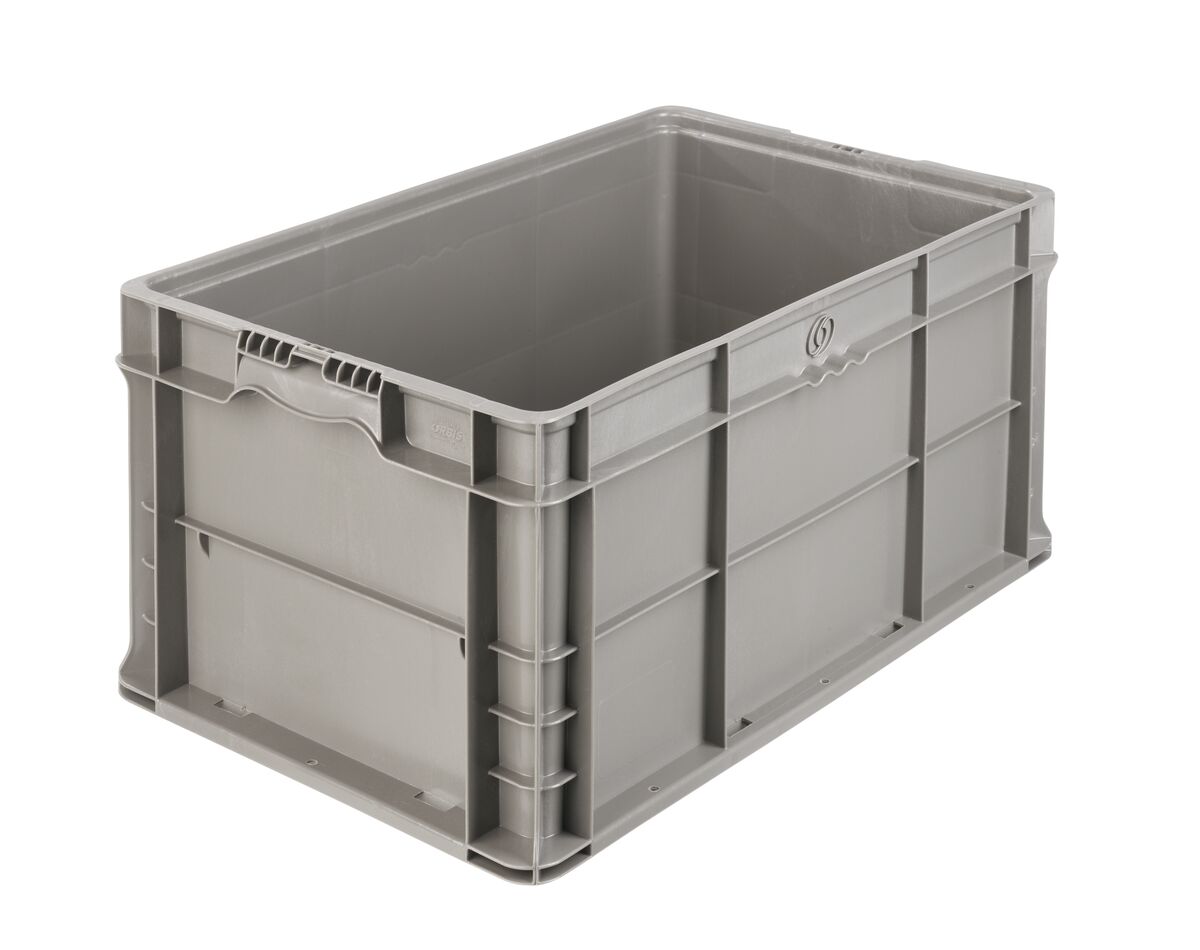
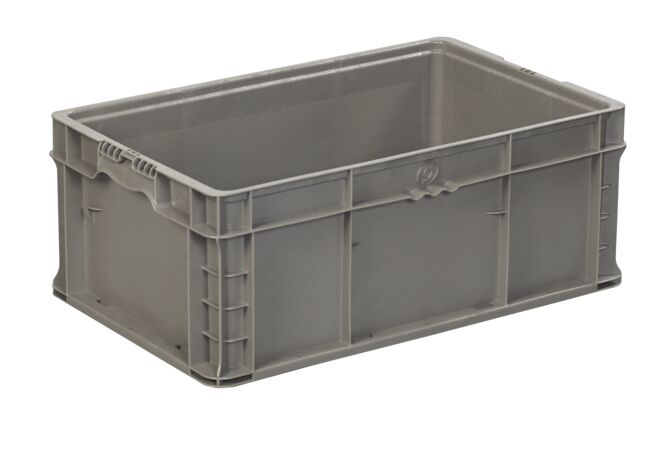
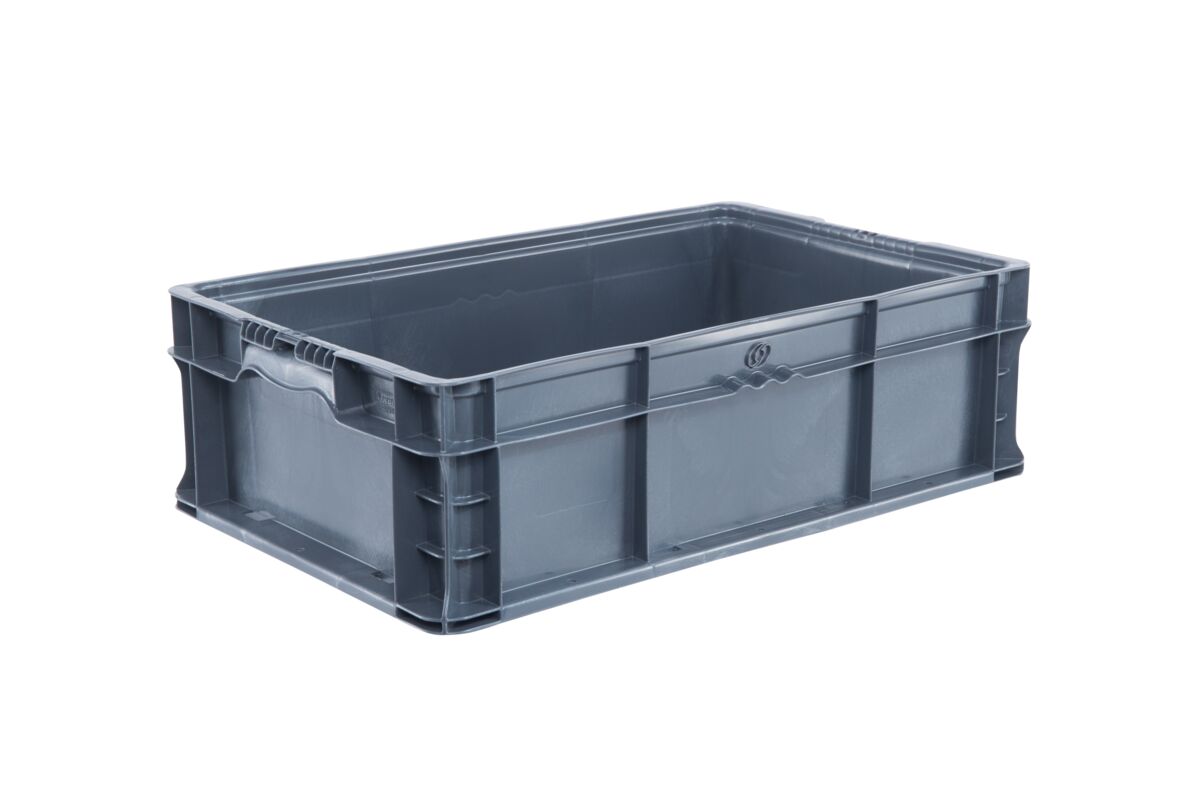
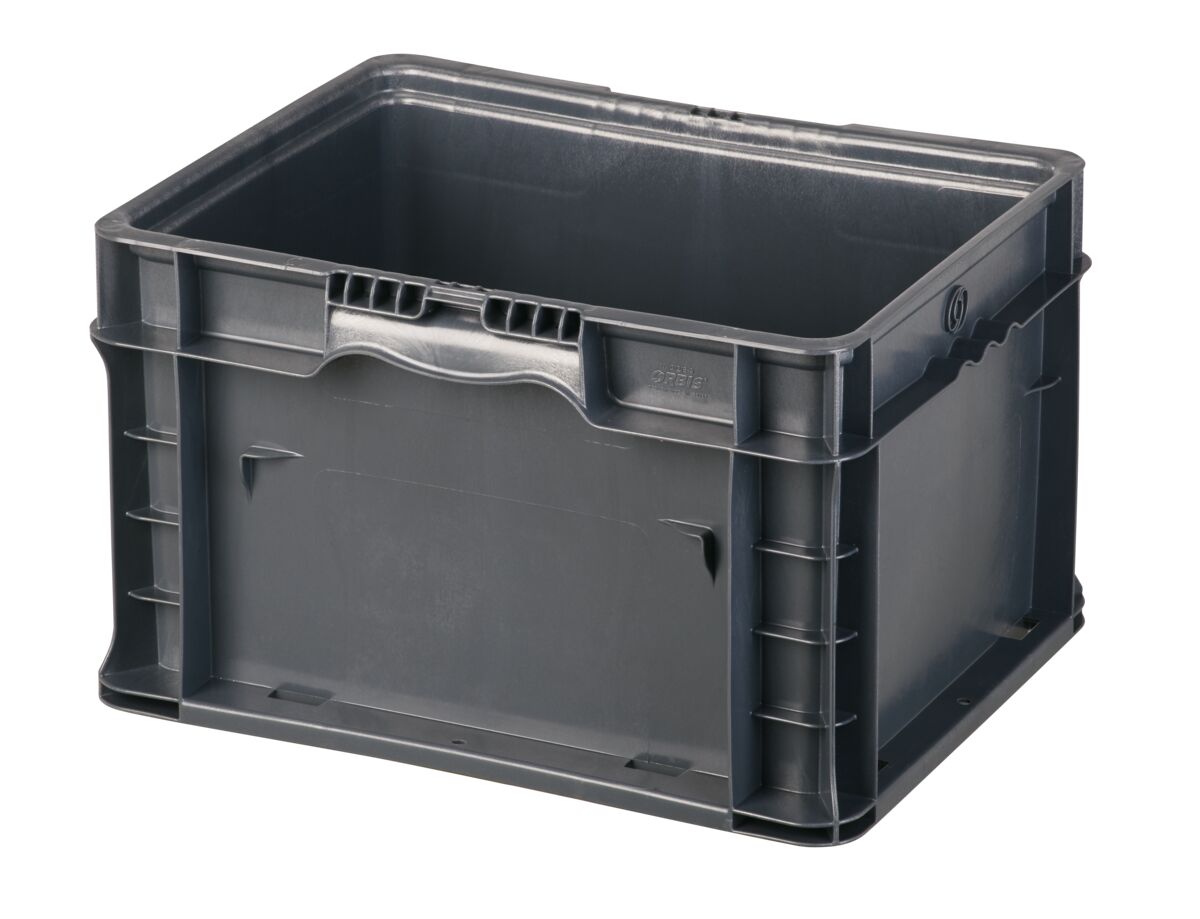
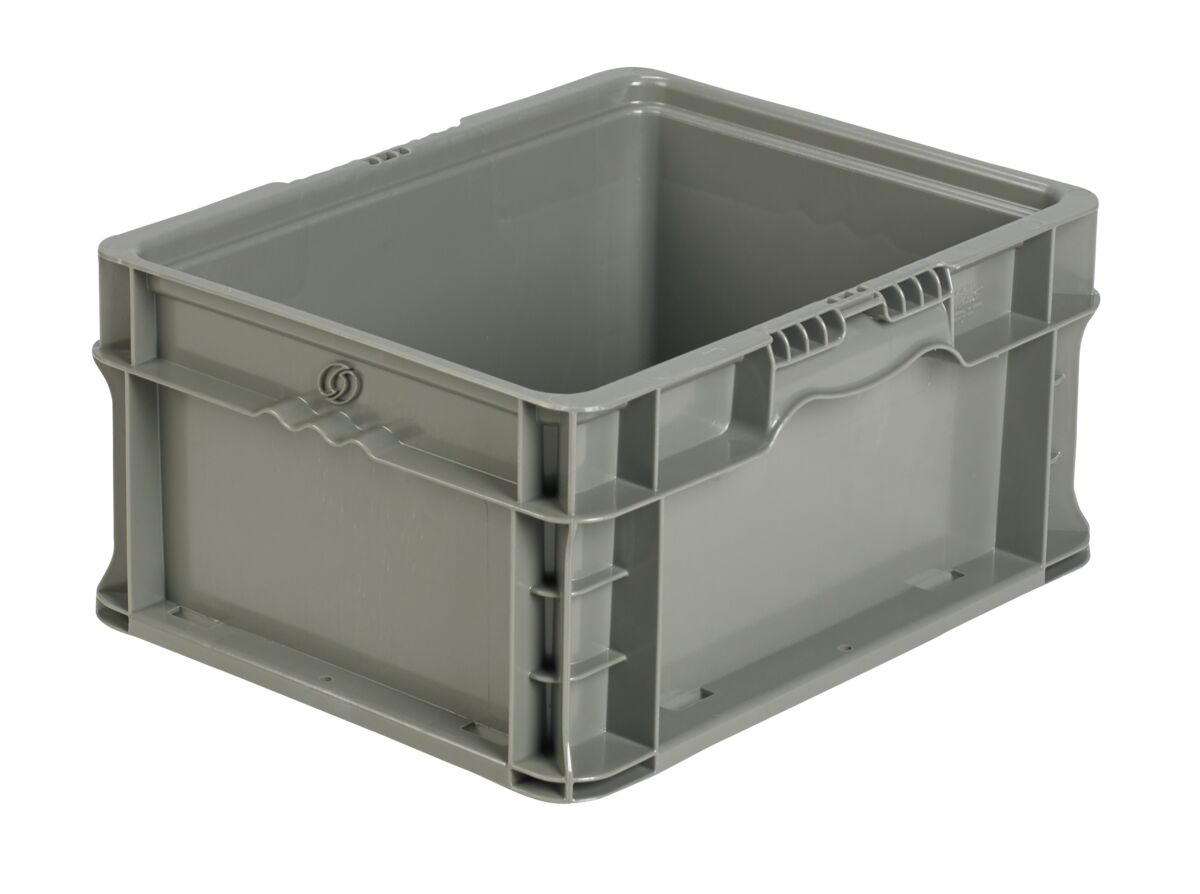
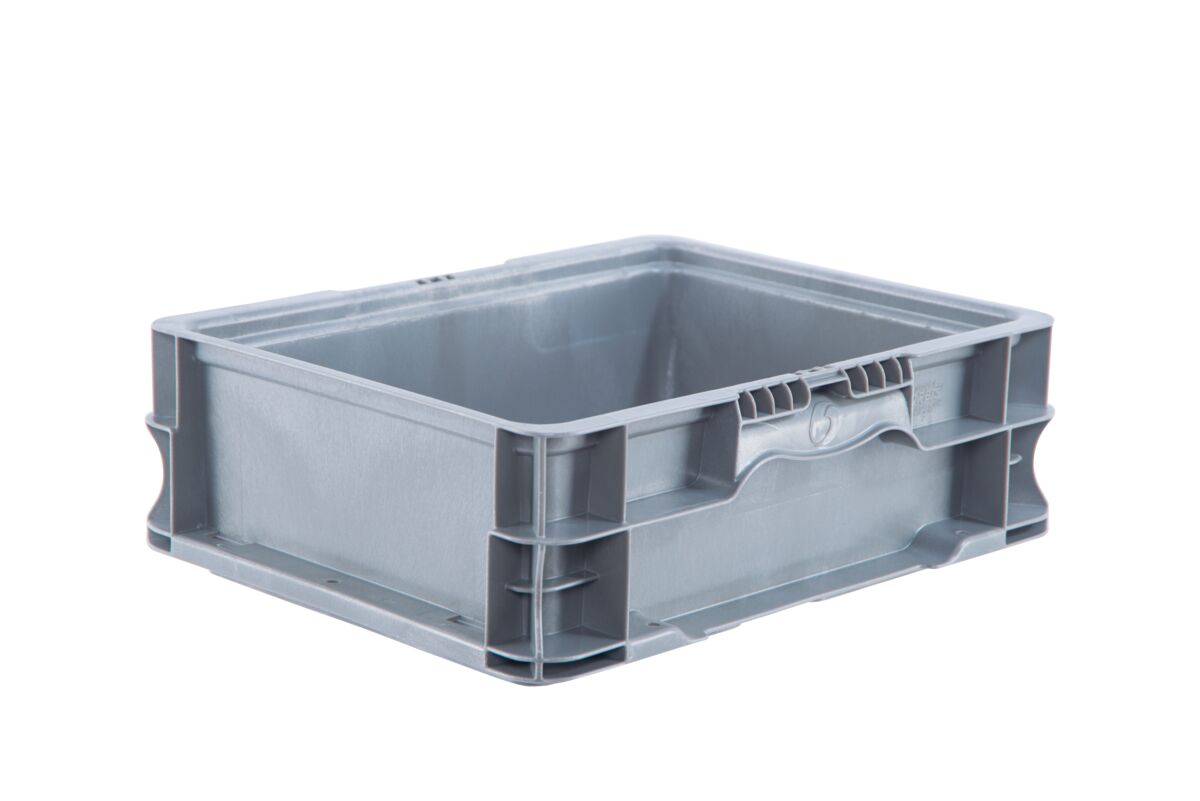
ORBIS stackable containers deliver superior cube efficiency for automotive, appliance, aerospace, and electronics manufacturing. Our straight-wall design maximizes interior volume while maintaining structural integrity under heavy loads – protecting parts during assembly, processing, storage, and transportation. These reusable plastic totes integrate seamlessly with automated systems, AIAG pallets, and custom dunnage configurations, eliminating the waste and inconsistency of corrugated boxes while reducing long-term packaging costs.
Choose from proven solutions like StakPak (used in industrial applications for 20+ years) or StakPak Plus with customizable collar heights for flexible depth configurations. ORBIS can also modify container dimensions through precision cutting and welding to create the exact footprint your operation requires.
Unlike stack-and-nest containers that taper inward, straight wall containers maintain consistent dimensions from top to bottom. This parallel-wall construction delivers three measurable advantages:
Maximum Interior Volume – Vertical walls eliminate the space loss inherent in angled designs. Every inch from floor to rim is usable, allowing you to pack more parts per container and reduce the number of containers needed for the same volume of goods.
Perfect Dunnage Fit – Custom foam, corrugated, and thermoformed inserts sit flush against vertical walls without gaps. This precise fit prevents part movement during transport and simplifies dunnage design, reducing engineering time and material waste in insert fabrication.
Consistent Automated Handling – Robotic grippers, conveyor guides, and AS/RS systems rely on predictable external dimensions. Straight walls maintain exact positioning throughout automated workflows, reducing jams, misalignments, and system downtime.
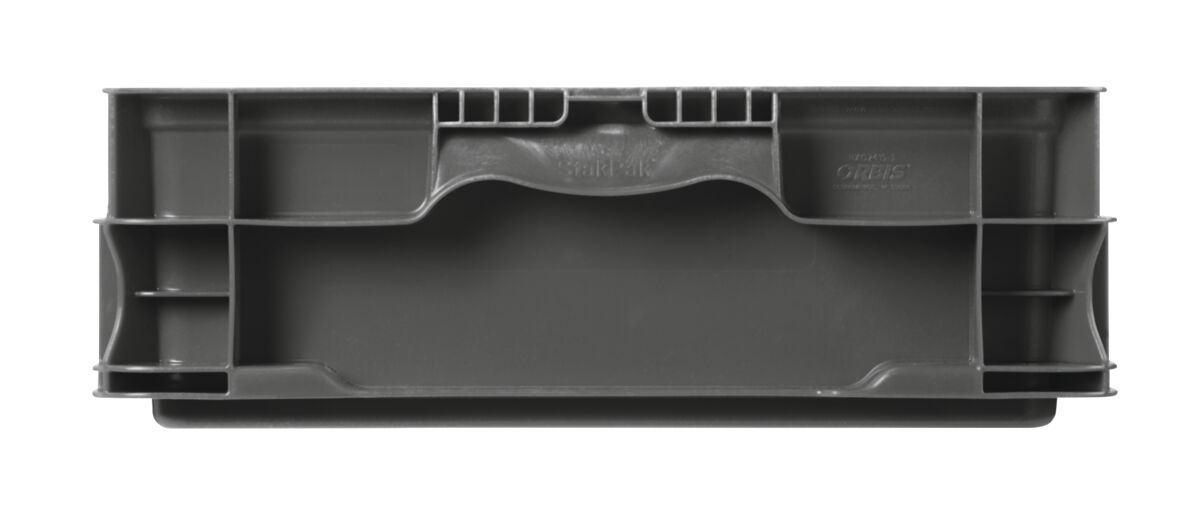
Load-Bearing Vertical Ribs – External ribbing channels weight directly downward through the container structure when units are stacked. This engineering approach prevents sidewall bowing under heavy loads and maintains stable stacks even when containers are column-stacked multiple units high without shelving support.
Integrated Perimeter Seal – A continuous molded bumper around the container rim creates a barrier against dust, dirt, and contaminants. Drain channels built into bumpers and handles allow water to escape during washing, ensuring containers dry quickly and completely between uses.
Standard Pallet Integration – Container dimensions align with automotive industry standard 45″ x 48″ pallet footprints, maximizing the number of containers per pallet layer. This standardization reduces transportation costs and simplifies warehouse slotting across multi-facility operations.
Uniform Material Distribution – Precision injection molding creates consistent wall thickness throughout the container body. This uniformity ensures predictable strength characteristics and dimensional stability across temperature changes, humidity fluctuations, and repeated handling cycles.
Standard StakPak Containers work best when:
StakPak Plus with Modular Collars provides flexibility when:
The StakPak Plus system uses interchangeable collars that stack onto base containers, increasing height while maintaining the corner-post strength required for stable stacking. This modular design lets you reconfigure container heights as your product mix changes, without the lead time and tooling costs associated with custom container development.
Automotive Manufacturing – Move engine components, interior trim, fastener kits, and sub-assemblies between stamping, welding, paint, and final assembly operations. Containers integrate with line-side delivery carts and support sequenced part delivery that reduces work-in-process inventory and floor space consumption.
Electronics Assembly – Shield circuit boards, connectors, display panels, and sensitive components from electrostatic discharge and physical damage. Smooth interior surfaces prevent snagging of wire leads and delicate solder joints during handling between workstations and testing areas.
Food and Beverage Distribution – Transport fresh produce, baked goods, dairy products, and packaged foods with containers that meet food-contact safety standards. Vented bottom designs promote air circulation that extends product freshness, while drain holes prevent moisture accumulation that accelerates spoilage.
Pharmaceutical and Medical Device – Maintain cleanroom standards with containers designed for thorough sanitization between uses. Smooth surfaces without crevices or texture eliminate harboring points for bacteria and particulates, supporting validated cleaning protocols in regulated manufacturing environments.
Retail Distribution and E-commerce Fulfillment – Move merchandise from distribution centers to retail locations or directly to consumers. Stackable containers reduce handling steps and protect merchandise during picking, packing, and transportation.
Industrial Parts Management – Organize maintenance inventories, replacement components, and work-in-process materials with containers that stack vertically to maximize warehouse cube utilization. Consistent external dimensions simplify bin location systems and improve inventory accuracy.
Choose Straight Wall Containers When:
Choose Stack-and-Nest Containers When:
ORBIS straight wall containers deliver environmental and financial benefits when deployed in properly managed closed-loop systems:
Extended Service Life – High-density polyethylene and polypropylene construction withstands hundreds of use cycles before requiring replacement. Typical container service life spans a decade or more in industrial applications, eliminating the repetitive purchasing required with disposable packaging.
Material Recovery – At end of service life, containers are ground into regrind and reprocessed into new plastic products. This closed-loop material flow keeps plastic out of landfills and reduces demand for virgin resin production.
Cleaner Operations – Rigid reusable containers eliminate the cardboard dust, fiber debris, and disposal waste associated with corrugated boxes. Cleaner facilities reduce HVAC filter replacement, equipment cleaning, and contamination risks in sensitive manufacturing environments.
Labor Efficiency – Containers arrive ready to use without assembly, taping, or preparation. At end of use, containers return for washing and redeployment without disposal handling, trash compaction, or recycling coordination.
Consistent Protection – Unlike corrugated that weakens with moisture exposure and cannot survive multiple uses, rigid plastic containers maintain structural integrity throughout their service life. This consistency reduces product damage claims and replacement costs.
System Performance Factors – The economic and environmental advantages of reusable containers depend on achieving high utilization rates in closed-loop systems. Organizations should evaluate their return logistics, cleaning capabilities, and container rotation efficiency before transitioning from disposable to reusable packaging.
ORBIS engineers design complete packaging systems that combine containers with protective inserts:
Thermoformed Plastic Inserts – Vacuum-formed plastic dunnage creates precise cavities that cradle individual parts and prevent contact damage during transportation. Multi-cavity designs allow mixed-part packing in single containers with proper organization and protection.
Die-Cut Corrugated Inserts – Cost-effective corrugated dunnage provides cushioning and part separation at lower cost than plastic alternatives. Damaged inserts can be replaced individually without affecting container serviceability.
Custom Foam Packaging – CNC-cut or water-jet foam creates protective cushioning for high-value components. Multiple foam densities accommodate different part weights and fragility levels, from delicate electronics to heavy castings.
Multi-Material Systems – Layered dunnage combines materials to optimize protection and cost. Common approaches include foam bottom cushioning with corrugated top separators, or plastic cavity trays with foam protective padding.
ORBIS packaging engineers analyze your current packaging systems and design reusable solutions that reduce costs while improving product protection:
Contact ORBIS to discuss your specific application and receive a customized solution proposal with total cost of ownership analysis.
Reach out today! Our experts are ready to craft the perfect reusable packaging solution for your needs.
Filters
External Redirection: We are redirecting you to ORBIS’ BrandHub, which is an external website hosted by Bynder, ORBIS’ digital asset manager.
No products in the compare list